Sourcing Eco-Friendly Fabric: A B2B Guide to Sustainable Textiles
A technical guide for sourcing eco-friendly fabric. Compare recycled synthetics vs. naturals, understand GRS certifications, and evaluate manufacturing impact.
Expert Insights
Huada Creation blog: deep dive into textile technology, sustainable manufacturing, fabric buying guides, industry trends, and supply chain optimization. Expert insights for your business decisions.

A technical guide for sourcing eco-friendly fabric. Compare recycled synthetics vs. naturals, understand GRS certifications, and evaluate manufacturing impact.

Wondering what is ring spun cotton? Learn the manufacturing process, yarn counts, and how it compares to regular cotton for premium apparel sourcing.

Compare knit vs woven fabric for production. Expert analysis of cost, stretch, GSM, and application suitability for apparel manufacturing.

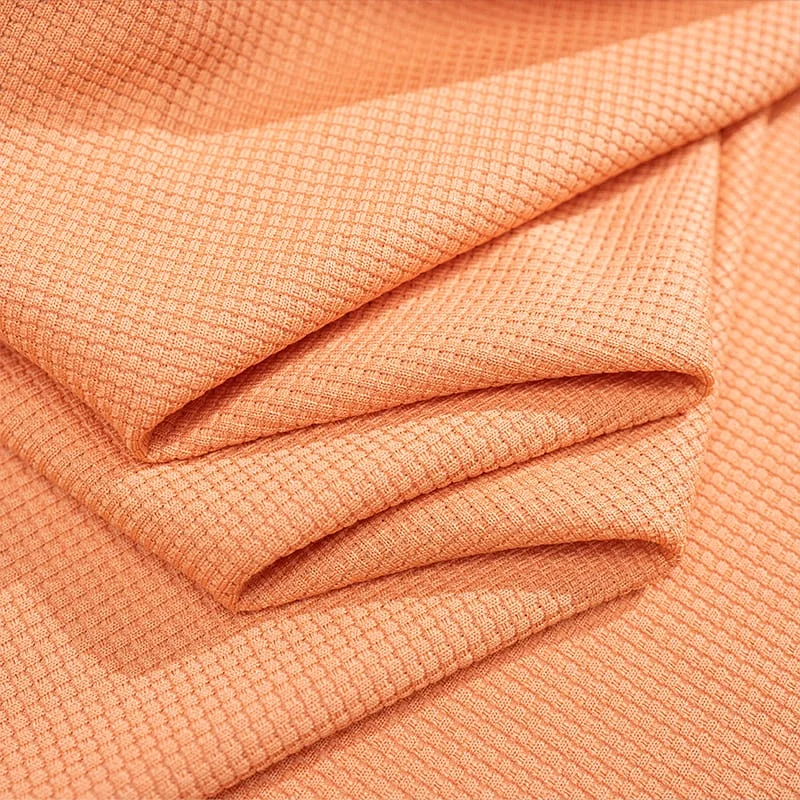
Master fabric texture sourcing. Explore tactile vs. visual types, including waffle, pique, and mesh, to elevate your apparel product lines.

Discover DWR fabric properties and sourcing tips. Learn how durable water repellent finishes enhance polyester and fleece for B2B buyers.

Discover high-quality double knit fabric for apparel. Learn about types, benefits, and manufacturing specifications for B2B buyers. Contact Huada today.

Identify and prevent common fabric defects. Learn about knitting, dyeing, and finishing faults to ensure textile quality for your apparel brand.

Discover polyamide fabric properties, benefits, and uses in activewear. Expert guide for B2B buyers sourcing high-performance textiles.

Is polyester stretchy? Learn the truth about 100% polyester, how knit construction adds flexibility, and the benefits of spandex blends for textiles.

Moisture wicking is a system (fiber, knit, and finish) - not a marketing term. This B2B guide shows what to put in your spec sheet, how to approve samples, and which supplier questions prevent performance surprises.

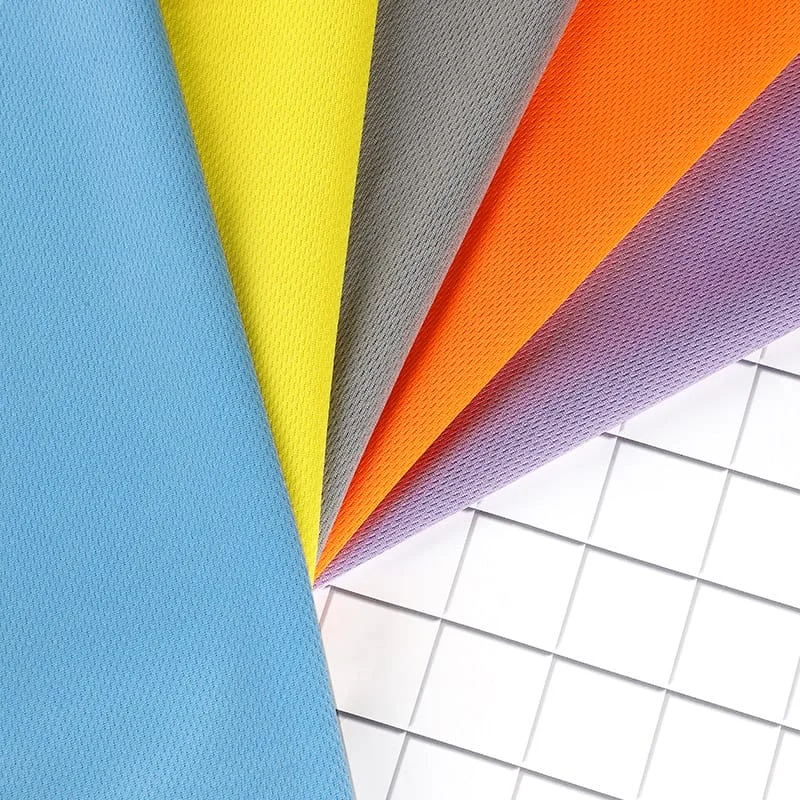
Mesh fabric delivers 3-10x higher breathability (80-200+ CFM) than solid fabrics. This B2B guide covers eyelet, bird's eye, and matte mesh specifications, opacity testing, and supplier questions for activewear sourcing.

Jersey fabric is the foundation of t-shirts and activewear. This B2B guide covers single vs double jersey, GSM selection (120-280gsm), edge curling solutions, shrinkage specs, and supplier questions for knit sourcing.

Moisture-wicking fabric moves sweat via capillary action (2-3hr dry time) vs cotton absorption (6-8hr). This B2B guide covers AATCC 195 testing grades, fiber selection, and 15 supplier questions for performance fabric sourcing.

4-way stretch fabric requires 8%+ spandex for equal horizontal and vertical elongation. This B2B guide covers stretch percentages, ASTM D3107 recovery testing, and specifications for leggings, yoga wear, and fitted activewear.

Breathable fabric allows air and vapor to pass through, measured in CFM (cubic feet per minute). This B2B guide covers air permeability testing (ISO 9237), MVTR ratings, and breathability vs. moisture-wicking trade-offs.

French Terry (200-340gsm) features a smooth face with looped terry back—warmer than jersey, more breathable than fleece. This B2B guide covers loop construction, GSM selection, shrinkage specs, and sourcing questions for hoodie production.

MOQ is not just one number. This guide breaks down base MOQ, MOQ per color, and finish MOQ - plus practical scripts to request stock options, split colors, or pay a small-order surcharge.

Third party inspection reduces quality surprises before shipment. This guide gives a fabric-specific inspection checklist, a copy/paste report template, and how to use 4-point scoring in practice.

Comprehensive guide to the three major textile testing organizations and when to use each standard for fabric quality control.

Deep dive into knitted fabric construction explaining wales and courses and their impact on stretch, drape, and durability.

Comprehensive guide to dye sublimation including fabric requirements, process parameters, and troubleshooting.

Complete guide to fabric shrinkage types, AATCC 135/ISO 5077 testing, and effective prevention strategies.

Technical comparison of four-way and two-way stretch fabrics, spandex percentages, testing methods, and applications for activewear.

Comprehensive guide to colorfastness testing including AATCC 61, ISO 105, grading scales, and industry requirements by application.

Analysis of recycled polyester (rPET) market growth, sustainability benefits, performance comparison with virgin polyester, and certification requirements.

Overview of smart fabric categories, conductive textiles, sensor integration, market applications, and future trends in textile innovation.

Scientific analysis of compression garments including graduated compression levels (mmHg), fabric requirements, performance benefits, and applications.

Guide to antimicrobial treatments including silver ion, copper-based, testing standards (AATCC 100), durability, and environmental considerations.

Detailed comparison of jersey and pique fabrics covering structure, breathability, durability, applications, and cost differences.

Comprehensive analysis of cotton-polyester blend ratios from 100% cotton to 100% polyester and their performance characteristics.

Comparison of interlock and rib knit structures including construction methods, stretch properties, stability, and ideal applications.

Comparison guide for brushed fleece and french terry covering warmth, breathability, weight, moisture management, and seasonal applications.

Complete guide to sourcing from Guangdong textile hub including major cities, supplier advantages, logistics, and working with manufacturers.

Comprehensive comparison of sourcing textiles from China, Vietnam, and Bangladesh covering costs, quality, lead times, and trade advantages.

Comprehensive guide for international buyers covering supplier selection, communication, sampling, ordering, pricing, logistics, and building relationships.

A consolidation warehouse lets you combine shipments from multiple suppliers into one container. This guide explains when it makes sense for fabric imports, what to standardize, and provides a checklist and container planning table.

A swatch card helps you shortlist fabrics fast, but it is not bulk approval. This article gives a sample evaluation checklist and a copy/paste email to request swatches, specs, MOQ, and lead times.

Comprehensive overview of knitted fabric types including jersey, pique, mesh, fleece, and rib knits with their unique properties and best-use cases for activewear and sportswear.

HS code classification drives duties and customs requirements. This buyer checklist shows what data you must collect (woven vs knit, fiber %, GSM, finishing) and which documents to request to avoid clearance delays.

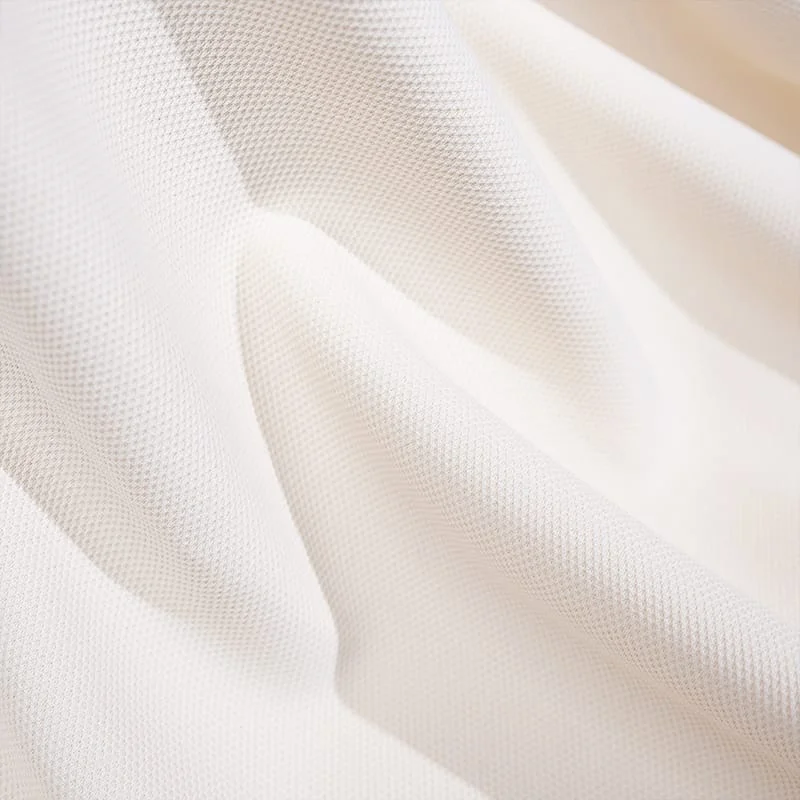
Pique fabric is a double-knit textile with raised geometric texture that provides 20-30% better breathability than jersey. Learn GSM selection, quality specs, and sourcing questions for polo shirts, school uniforms, and corporate wear.

OEKO-TEX Standard 100 is a product safety certification focused on harmful substances. This sourcing guide explains what it covers, what it does not (organic and social compliance), and which documents buyers should request.

Learn what GSM means, how fabric weight impacts performance and comfort, and how to choose the right weight for your activewear application with our comprehensive guide.

GOTS certification depends on documents, not just claims. This guide explains Scope Certificates vs Transaction Certificates and provides a verification checklist and email template to request the right paperwork from suppliers.

Learn how much spandex you need for different activewear applications, understand stretch vs recovery, and choose the right elastane percentage for yoga pants, leggings, and athletic wear.

Discover the best fabrics for running apparel including moisture-wicking technology, breathability requirements, and optimal fabric weights for different running conditions.

Master leggings fabric selection with our complete guide covering squat-proof opacity testing, stretch requirements, compression levels, and the best fabrics for activewear leggings.

For activewear, polyester outperforms cotton: 3x faster drying (2-3 hrs vs 6-8 hrs), 2x durability (100+ vs 50 washes), <2% shrinkage. Use this fiber comparison guide for sportswear sourcing decisions.

Detailed comparison of bird's eye mesh and regular athletic mesh fabrics including breathability, durability, aesthetics, and best applications for sportswear and activewear.

Complete guide to selecting durable, comfortable, easy-care fabrics for school uniforms including weight recommendations, testing standards, and cost analysis for institutional use.

Scientific explanation of moisture-wicking technology, how polyester moves moisture, testing standards (AATCC 195), and the difference between wicking and absorption.

Discover the top fabric trends shaping activewear in 2026 including sustainability, texture preferences, color palettes, and technical innovations based on actual brand orders.

In-depth technical comparison of polyester vs nylon for activewear including strength, moisture-wicking, cost, hand feel, and specific application recommendations.

Step-by-step guide to importing knitted fabrics from China including supplier selection, quality control, shipping logistics, customs, and working effectively with Chinese manufacturers.

Explore how innovative technologies and eco-friendly practices are transforming the textile industry toward a greener future.

Understanding the science behind moisture-wicking, breathability, and stretch technologies that define modern sportswear.

From smart fabrics to AI-powered design, discover the technological breakthroughs transforming textile manufacturing.

A comprehensive guide to selecting the perfect fabric based on activity type, target market, and performance requirements.

Strategies for building resilient, efficient supply chains in an increasingly complex global textile market.