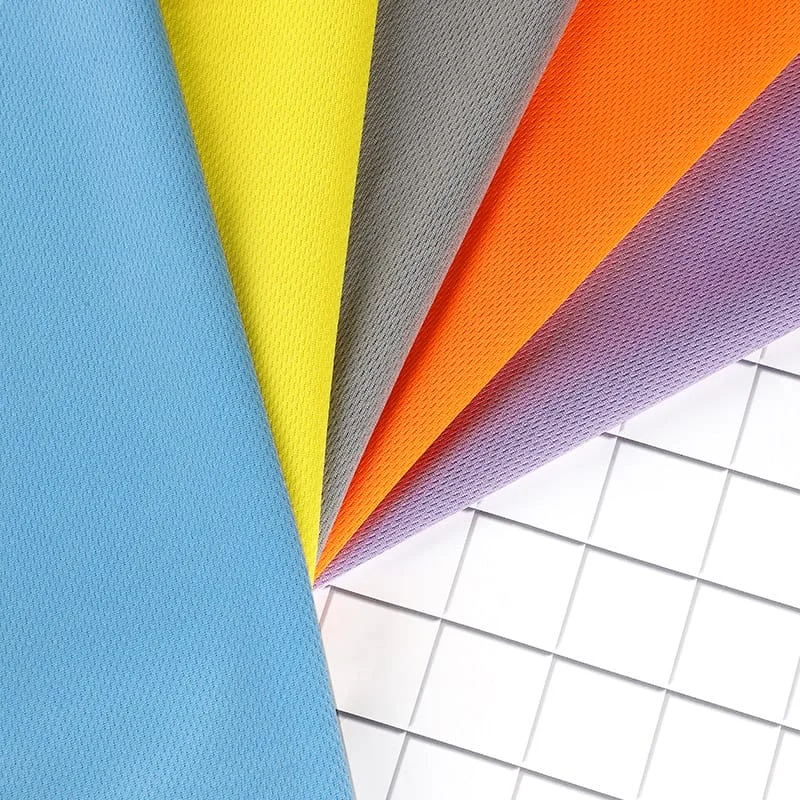
Double Knit Fabric: B2B Manufacturing & Sourcing Guide
In the competitive landscape of apparel manufacturing, material selection is the cornerstone of product success. For B2B buyers, sourcing managers, and fashion brands, understanding the technical and commercial nuances of textile options is critical. Among the most versatile and robust categories in the textile industry is double knit fabric. Unlike its single-knit counterparts, double knit fabric offers a unique combination of structural integrity, aesthetic versatility, and production efficiency that makes it a favorite for everything from high-performance activewear to structured tailored garments.
Double knit fabric is not merely a material choice; it is a strategic asset for brands looking to deliver quality and durability. Created using two sets of needles on a circular knitting machine, this fabric construction results in a textile that is stable, resists curling, and provides a premium hand-feel. For manufacturers like Huada Creation Group, mastering the art of double knits—from our HD8001 Bird's Eye Mesh to our HD7916 Terry Cloth—means providing clients with fabrics that stand the test of time and trend.
This comprehensive guide serves as a resource for industry professionals. We will delve into the engineering differences between single and double knits, explore the vast array of styles available (including Pique, Rib, and Scuba), and provide a tactical checklist for sourcing high-quality double knits for your next collection.
The Engineering Behind the Textile: Double Knit vs. Single Knit
To appreciate the value of double knit fabric, one must first understand the mechanics of its production. While single knit fabrics (like basic jersey) are produced using a single set of needles on a knitting machine, double knits are manufactured using two sets of needles arranged in a dial and cylinder configuration. These two sets of needles interlock loops of yarn to create a fabric that is essentially two layers knitted together simultaneously.
This 'double' construction imparts several distinct technical advantages. First and foremost is dimensional stability. Single knits often suffer from torque (twisting) and have a tendency to curl at the cut edges, which can slow down the cutting and sewing process in a garment factory. Double knit fabric, conversely, lies flat when cut. This stability significantly reduces waste and increases manufacturing speed—a crucial factor for B2B buyers calculating yield and labor costs.
Furthermore, double knits generally possess a higher GSM (grams per square meter) than single knits. This added weight translates to better drape and opacity. For example, a standard single jersey might require a lining to prevent sheerness, whereas a robust double knit, such as our HD8193 High-Performance Spandex Fabric, offers complete coverage and support without the need for additional layers. This reduction in garment construction steps can lead to overall cost savings for the brand.
Key Types and Textures of Double Knit Fabrics
Double knit is a broad category encompassing various structures, each serving a specific design purpose. At Huada Creation Group, we leverage advanced knitting technologies to produce a diverse range of these fabrics.
1. Interlock and Ponte Roma: Perhaps the most well-known double knits, Interlock and Ponte Roma are prized for their smooth surface and firm structure. They are reversible, looking identical on both sides. These are ideal for bottoms, blazers, and dresses where a crisp, tailored look is required.
2. Pique and Textured Knits: Double knitting allows for intricate surface textures. The HD8067 Cotton-Like Pique Fabric is a prime example. While traditional pique can be single knit, a double knit pique offers superior durability and a more substantial feel, making it perfect for premium polo shirts and corporate wear. Similarly, the HD8008 Cotton-Like Waffle Knit utilizes the double needle structure to create deep, thermal-insulating pockets without sacrificing stability.
3. Specialized Mesh and Activewear Structures: In the realm of sportswear, double knitting facilitates complex mesh designs that are durable yet breathable. Our HD6850 Polyester Spandex Eyelet Mesh and HD8001 Bird's Eye Mesh Fabric demonstrate how double knit technology can create ventilation zones that don't unravel or lose shape under tension, a common issue with lighter single knit meshes.
4. Novelty and Fashion Knits: Double knitting also opens doors for aesthetic innovation. The HD7901 Great Wall Grid Pattern and HD8029 Distressed Look Knit Fabric showcase how manipulating the two needle beds can create visual depth and unique patterns directly into the weave, eliminating the need for printing in some cases.
Performance Benefits for Apparel Brands
Why should a brand choose double knit fabric over other options? The answer lies in the 'Performance Trinity': Durability, Recovery, and Aesthetics.
Durability and Longevity: Because of the interlocked structure, double knits are less prone to snagging and running. If a yarn breaks in a single knit, it can lead to a ladder run that destroys the garment. In a double knit structure, the fabric is more resistant to this type of failure. This durability is essential for workwear and children's wear.
Stretch and Recovery: While double knits are stable, the addition of elastane (Spandex) creates fabrics with powerful recovery. The HD8193 High-Performance Spandex Fabric is engineered to stretch with the body during intense yoga or athletic movements and snap back to its original shape immediately. This prevents the 'bagging out' effect often seen in knees and elbows of lower-quality garments.
Wrinkle Resistance: The density of double knit fabric gives it a natural resistance to wrinkling. This makes it an excellent choice for travel wear and professional attire. A garment made from our HD7912 Premium Printed Fabric will maintain a crisp appearance throughout the day, adding value to the end consumer.
Commercial Applications and Use Cases
The versatility of double knit fabric allows it to permeate almost every sector of the apparel market.
Activewear and Athleisure: This is the dominant sector for high-performance double knits. Leggings, sports bras, and track jackets rely on the compression and opacity provided by fabrics like the HD7887 Cotton-Like Fish Scale Knit. The fish scale structure provides unique moisture-wicking properties and thermal regulation.
Corporate and School Uniforms: Durability is the key metric here. Schools and corporations prefer double knit Pique (HD8067) or Interlock because they withstand industrial laundering and maintain color fastness better than thinner fabrics. They also provide a structured look that appears more professional than a slub jersey.
Loungewear and Streetwear: The rise of premium streetwear has spiked demand for heavy-weight fleece and terry. The HD7916 Terry Cloth (Fleece) is a staple for high-end hoodies and joggers. Unlike cheap fleece, a double-knit terry has a refined loop structure that feels luxurious and resists pilling.
Fashion and Swimwear: Structured dresses and skirts benefit from the body of double knits. Additionally, swimwear requires the high-density gauge of double knits to prevent transparency when wet. Our specialized Swimwear Fabric lines ensure that prints remain vibrant and the fabric remains opaque even when stretched.
Sourcing Checklist for B2B Buyers
Sourcing double knit fabric requires attention to specific technical details to ensure the final product meets brand standards. Here is a checklist for procurement managers:
1. Weight (GSM) Verification: Double knits can range from 150 GSM to over 400 GSM. Ensure the weight aligns with the season. A 300+ GSM is typical for bottoms (pants/skirts), while 180-220 GSM is standard for tops.
2. Stretch Direction: Confirm if the fabric is 2-way or 4-way stretch. For fitted garments like the HD8193 High-Performance Spandex Fabric, 4-way stretch is non-negotiable. For structured blazers, 2-way stretch (mechanical stretch) might be sufficient.
3. Composition and Hand-Feel: Are you looking for a natural touch with synthetic performance? Our 'Cotton-Like' series (HD8067, HD7887, HD8008) uses advanced polyester texturizing to mimic the soft hand of cotton while retaining the durability and color fastness of polyester. Always request swatches to verify the 'hand.'
4. Width and Yield: Double knits are often knitted on wider beds. Check the cuttable width. A wider fabric (e.g., 60-65 inches) can significantly improve marker efficiency and reduce waste during the cutting process.
5. Minimum Order Quantity (MOQ): Double knit machines require significant setup time. Clarify MOQs early. Huada Creation Group works with partners to establish reasonable MOQs that allow for flexibility in production.
Why Choose Huada Creation Group for Double Knits
In a market flooded with options, Huada Creation Group stands out through a commitment to innovation and quality consistency. We don't just manufacture fabric; we engineer solutions.
Diverse Portfolio: From the tactile depth of the HD7901 Great Wall Grid Pattern to the functional breathability of HD6850 Eyelet Mesh, our catalog covers the full spectrum of market needs. We specialize in both aesthetic novelty and functional performance.
R&D Capabilities: We understand that fashion moves fast. Our R&D team is constantly developing new structures, such as the HD8029 Distressed Look Knit, to help brands stay ahead of trends without sacrificing the technical benefits of double knit construction.
Quality Assurance: Our double knit fabrics undergo rigorous testing for shrinkage, spirality (twisting), and color fastness. When you order HD7912 Premium Printed Fabric, you are guaranteed a print clarity and base-cloth stability that ensures your final garment looks as good on the rack as it does in the design sketch.
Partnering with Huada means accessing a supply chain built on reliability, technical expertise, and a deep understanding of the global apparel market.
Conclusion
Double knit fabric represents the intersection of durability, comfort, and manufacturing efficiency. For B2B buyers, it offers a solution to common production headaches like fabric curling and transparency, while offering consumers the high-quality feel they demand. Whether you are sourcing for a high-performance activewear line using our HD8193 Spandex blends or a premium casual collection featuring HD8008 Waffle Knits, the right double knit material can elevate your product above the competition. At Huada Creation Group, we are dedicated to providing the technical expertise and manufacturing excellence required to bring these superior textiles to your warehouse. Explore our collection today and discover the structural advantage of double knit fabrics.
Frequently Asked Questions
What is the main difference between double knit and interlock fabric?
Interlock is actually a specific type of double knit fabric. While all interlocks are double knits, not all double knits are interlocks. Interlock is the simplest form of double knit, where the fabric looks identical on both sides and is extremely smooth. Other double knits, like Pique or Jacquard, may have different textures or patterns on the face and back.
Does double knit fabric fray when cut?
No, this is one of its biggest manufacturing advantages. Unlike woven fabrics that fray easily, or single jersey knits that tend to curl at the edges, double knit fabric is stable. The loops are interlocked between the two layers, preventing the raw edges from unraveling or fraying when cut, which simplifies the sewing process.
Is double knit fabric suitable for summer clothing?
It depends on the composition and GSM (weight). While double knits are generally thicker than single knits, lightweight double knits made from moisture-wicking polyester or breathable cotton blends (like our HD6850 Eyelet Mesh) are excellent for summer activewear. However, heavy double knits like Ponte Roma are better suited for cooler weather or structured garments.
What is the typical lead time for bulk double knit fabric orders?
Lead times vary based on the specific knit structure and dyeing requirements. Generally, bulk production for double knit fabrics at Huada Creation Group ranges from 25 to 40 days after lab dip approval. Complex novelty knits or custom patterns may require slightly longer setup times.
Can double knit fabrics be printed or customized?
Absolutely. Double knit fabrics provide a stable, smooth surface that is excellent for printing. Our HD7912 Premium Printed Fabric is a testament to this. Because the fabric distorts less than single knits, prints remain sharp and aligned. We offer sublimation, screen printing, and digital printing options depending on the fiber composition.